Measuring wire size accurately is essential for ensuring electrical safety, reliable performance, and compliance with wiring standards. Whether you are working on residential wiring, automotive systems, or industrial installations, selecting the correct wire size helps prevent overheating, voltage drop, and equipment damage.
In this complete guide, you will learn how to measure wire size using different tools, understand AWG and metric sizing systems, compare wire sizes with easy-to-read charts, and choose the right conductor for your application with confidence.
What Is Wire Size?
Wire size refers to the thickness or cross-sectional area of an electrical conductor, which determines how much electrical current it can safely carry.
Measuring wire size correctly is essential for preventing overheating, reducing voltage drop, and ensuring compliance with electrical codes.
Wire size is commonly expressed in American Wire Gauge (AWG), Standard Wire Gauge (SWG), or metric square millimeters (mm²), depending on the country and application.
Why Measuring Wire Size Is Important
Measuring wire size accurately is one of the most important steps in any electrical installation or repair project. Choosing the wrong wire size can lead to excessive heat, power loss, damaged equipment, or even electrical fires.
Correct measurements improve safety, increase efficiency, and help ensure that electrical systems operate within their designed current-carrying capacity.
Benefits of Measuring Wire Size
- Prevents overheating
- Reduces voltage drop
- Improves electrical efficiency
- Extends wire lifespan
- Protects connected equipment
- Meets electrical code requirements
- Prevents circuit overloads
- Helps choose the correct breaker or fuse
Wire Size Measurement Systems
Different countries use different standards for measuring electrical wire. Understanding these systems helps you identify the correct conductor size, compare international specifications, and purchase compatible electrical cables.
The most common standards are AWG, SWG, metric square millimeters, and Circular Mil for large power conductors.
| Measurement System | Unit | Common Region | Typical Applications |
|---|---|---|---|
| AWG | Gauge Number | USA & Canada | Residential wiring |
| Metric | mm² | Europe & Asia | Electrical installations |
| SWG | Gauge Number | UK & Some Countries | Mechanical and electrical work |
| Circular Mil | CMIL | Worldwide | Large industrial cables |
Tools Required to Measure Wire Size
Several measuring tools can accurately determine wire diameter and size. The best tool depends on the type of conductor, required accuracy, and available equipment. Professional electricians typically use digital measuring tools because they provide precise readings and reduce measurement errors during installation.
Common Measuring Tools
- Digital caliper
- Vernier caliper
- Micrometer
- Wire gauge plate
- Wire gauge measuring tool
- Wire stripper
- Manufacturer specification sheet
- Steel ruler (for rough estimates)
Digital Caliper vs Wire Gauge Tool
Both digital calipers and wire gauge tools are widely used for measuring wire size, but each has different advantages. A digital caliper measures the exact diameter of the conductor, while a wire gauge tool quickly identifies the corresponding gauge number without requiring manual calculations.
| Tool | Accuracy | Best For | Ease of Use |
|---|---|---|---|
| Digital Caliper | Excellent | Exact diameter measurement | High |
| Vernier Caliper | Very Good | Manual measurements | Medium |
| Micrometer | Excellent | Small conductors | Medium |
| Wire Gauge Plate | Good | Quick gauge identification | Very Easy |
Understanding Wire Diameter and Wire Size
Many beginners mistakenly believe that wire diameter and wire size are the same, but they represent different concepts. Diameter refers to the physical thickness of the conductor, while wire size is a standardized measurement based on electrical standards such as AWG or metric sizing used worldwide.
| Diameter (Approx.) | AWG Size |
|---|---|
| 0.51 mm | 24 AWG |
| 0.64 mm | 22 AWG |
| 0.81 mm | 20 AWG |
| 1.02 mm | 18 AWG |
| 1.29 mm | 16 AWG |
| 1.63 mm | 14 AWG |
| 2.05 mm | 12 AWG |
| 2.59 mm | 10 AWG |
How to Measure Wire Size with a Digital Caliper
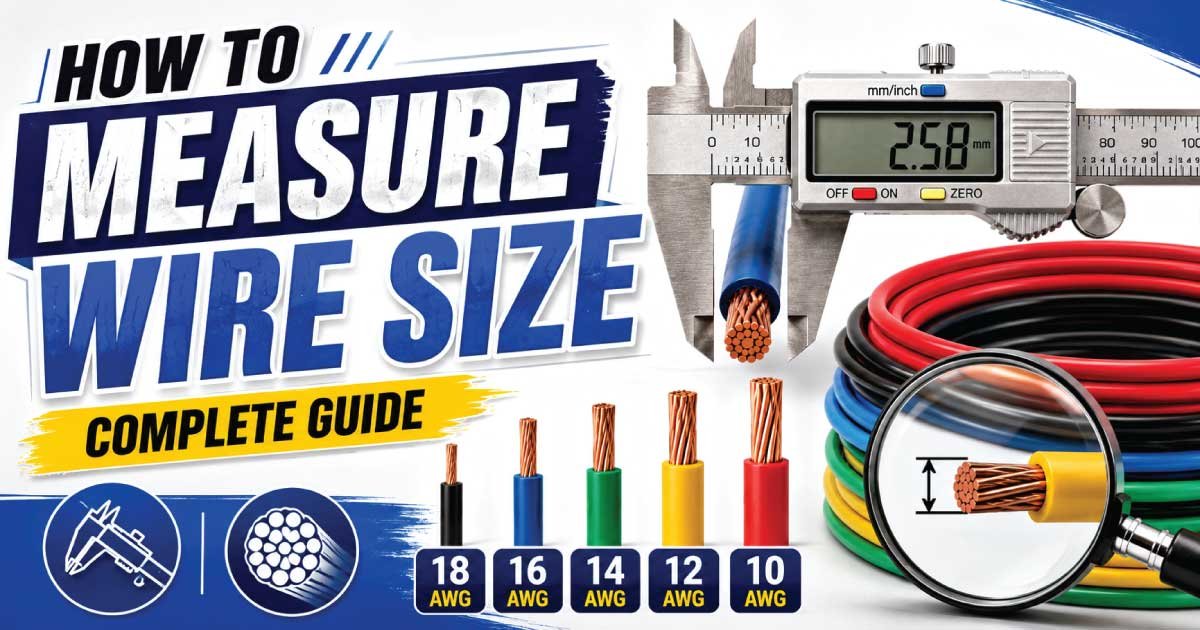
A digital caliper is one of the most accurate and reliable tools for measuring electrical wire size. It allows you to determine the exact conductor diameter before comparing the result with a standard wire gauge chart. Always measure the bare conductor rather than the insulated cable.
Step 1: Remove the Insulation
Carefully strip approximately 20–25 mm (about one inch) of insulation from the end of the wire using a wire stripper. Avoid cutting or damaging the conductor because even slight deformation can affect the measurement and produce inaccurate wire size calculations.
Step 2: Clean the Conductor
Inspect the exposed conductor before measuring. Remove any dirt, oxidation, paint, grease, or corrosion that may interfere with the caliper reading. A clean conductor provides a more accurate diameter measurement and ensures the wire matches the correct gauge chart.
Step 3: Measure the Bare Wire
Place the exposed conductor between the jaws of the digital caliper. Close the jaws gently until they touch the wire without compressing it. Read the measurement shown on the display and record the value in either millimeters or inches.
Step 4: Compare with a Wire Size Chart
Once you have measured the conductor diameter, compare your reading with a standard AWG or metric wire size chart. This allows you to identify the exact wire size and determine whether it is suitable for your electrical application.
How to Measure Stranded Wire
Stranded wire consists of multiple small conductors twisted together, making measurement slightly different from solid wire. The conductor should remain tightly bundled while measuring because spreading the individual strands can produce inaccurate diameter readings and incorrect gauge identification.
Method 1: Measure the Complete Bundle
If the strands are tightly compressed, measure the entire exposed conductor using a digital caliper. Do not flatten or squeeze the wire because changing its shape affects the measured diameter and results in an incorrect wire size calculation.
Method 2: Use Manufacturer Specifications
Many stranded wires include markings printed on the insulation or listed in the product datasheet. These specifications provide strand count, strand diameter, and overall conductor size, making them one of the most reliable sources for identifying stranded wire dimensions.
How to Measure Wire Size Without a Caliper
If you do not own a digital caliper, there are several alternative methods that can provide reasonably accurate wire measurements. Although these methods may not match professional precision, they are useful for basic electrical work, repairs, and identifying common household wiring sizes.
Alternative Methods
- Use a wire gauge plate
- Read the cable markings
- Check manufacturer specifications
- Compare with a standard wire chart
- Measure using a micrometer
- Visit an electrical supply store for verification
Why You Should Never Measure Over Insulation
One of the most common mistakes made by beginners is measuring the insulated cable instead of the conductor itself. Electrical insulation varies greatly in thickness depending on the cable type, voltage rating, and manufacturer, making insulated measurements inaccurate for determining actual wire size.
Always Remember
- Strip the insulation first.
- Measure only the metal conductor.
- Avoid compressing soft copper wire.
- Use clean measuring tools.
- Compare measurements with standard charts.
Solid Wire vs Stranded Wire
Solid and stranded wires serve different purposes, but both follow the same sizing standards. Solid wire contains a single conductor and is commonly used in building wiring, while stranded wire consists of multiple conductors that offer greater flexibility for moving equipment and vehicles.
| Feature | Solid Wire | Stranded Wire |
|---|---|---|
| Construction | Single conductor | Multiple strands |
| Flexibility | Low | High |
| Durability | Moderate | Excellent |
| Installation | Easy | Slightly difficult |
| Best Use | Home wiring | Automotive, machinery, marine |
Common Residential Wire Sizes
Residential electrical installations use several standard wire sizes depending on the circuit load and connected appliances. Selecting the proper wire size improves safety, prevents overheating, and ensures compliance with electrical codes while providing reliable power distribution throughout the home.
| Wire Size | Common Application |
|---|---|
| 14 AWG | Lighting circuits |
| 12 AWG | General outlets |
| 10 AWG | Water heaters |
| 8 AWG | Electric ranges |
| 6 AWG | Large appliances |
| 4 AWG | Main feeders |
| 2 AWG | Service entrance cables |
Common Mistakes When Measuring Wire Size
Even experienced DIY users can make mistakes when measuring electrical wire. Small measurement errors may lead to selecting the wrong cable, causing overheating, poor performance, or electrical hazards. Following proper measuring techniques greatly improves both accuracy and installation safety.
Mistakes to Avoid
- Measuring over insulation
- Using damaged measuring tools
- Compressing stranded wire
- Guessing instead of measuring
- Confusing AWG with metric sizes
- Ignoring manufacturer specifications
- Measuring corroded conductors
- Using outdated wire charts
Quick Wire Size Reference Chart
The following reference chart provides a quick comparison between common AWG sizes, conductor diameter, approximate metric cross-sectional area, and their most common electrical applications. This chart is useful for identifying wire sizes during installation, maintenance, and repair projects.
| AWG | Diameter (mm) | Area (mm²) | Typical Application |
|---|---|---|---|
| 24 | 0.51 | 0.20 | Electronics |
| 22 | 0.64 | 0.33 | Signal wiring |
| 20 | 0.81 | 0.52 | Control circuits |
| 18 | 1.02 | 0.82 | Low-voltage wiring |
| 16 | 1.29 | 1.31 | Automotive wiring |
| 14 | 1.63 | 2.08 | Lighting circuits |
| 12 | 2.05 | 3.31 | Household outlets |
| 10 | 2.59 | 5.26 | Heavy-duty appliances |
AWG to Metric Wire Size Conversion
Many electrical projects involve both American Wire Gauge (AWG) and metric wire sizes, especially when working with imported equipment or international standards. Understanding how these measurement systems compare helps you choose equivalent wire sizes, purchase compatible cables, and avoid wiring mistakes during installation or repairs.
| AWG | Diameter (mm) | Area (mm²) | Approx. Metric Size |
|---|---|---|---|
| 18 | 1.02 | 0.82 | 0.75 mm² |
| 16 | 1.29 | 1.31 | 1.5 mm² |
| 14 | 1.63 | 2.08 | 2.5 mm² |
| 12 | 2.05 | 3.31 | 4 mm² |
| 10 | 2.59 | 5.26 | 6 mm² |
| 8 | 3.26 | 8.37 | 10 mm² |
| 6 | 4.11 | 13.30 | 16 mm² |
How Wire Size Affects Current Capacity
Wire size directly determines how much electrical current a conductor can safely carry without overheating. Larger wires have lower electrical resistance, allowing them to carry higher current loads efficiently. Selecting an undersized wire increases heat buildup, while an oversized wire may unnecessarily increase installation costs.
Factors That Affect Current Capacity
- Conductor material
- Wire size
- Insulation type
- Ambient temperature
- Installation method
- Cable length
- Number of conductors
- Ventilation conditions
Wire Ampacity Chart
Ampacity is the maximum amount of electrical current a wire can safely carry under normal operating conditions. Electricians use ampacity charts along with electrical codes to ensure wires operate safely and prevent overheating, insulation damage, or fire hazards in residential and commercial installations.
| Wire Size | Copper Ampacity (Approx.) | Common Application |
|---|---|---|
| 18 AWG | 10 Amps | Low-voltage circuits |
| 16 AWG | 13 Amps | Extension cords |
| 14 AWG | 15 Amps | Lighting circuits |
| 12 AWG | 20 Amps | Wall outlets |
| 10 AWG | 30 Amps | Water heaters |
| 8 AWG | 40–55 Amps | Electric ranges |
| 6 AWG | 55–65 Amps | Subpanels |
Note: Always follow your local electrical code (such as NEC or IEC) because allowable ampacity varies depending on installation conditions.
How to Calculate Wire Cross-Sectional Area
Sometimes you may know only the conductor diameter and need to calculate its cross-sectional area. This value is commonly used in metric electrical systems and helps determine current capacity, voltage drop, and compatibility with electrical components and terminals.
Formula
Area = π × (Diameter ÷ 2)²
Example
If a conductor diameter measures 2.05 mm:
- Radius = 1.025 mm
- Area = 3.14 × (1.025 × 1.025)
- Area ≈ 3.30 mm²
This closely matches 12 AWG wire.
How Voltage Drop Influences Wire Selection
Voltage drop occurs naturally as electricity travels through a conductor. Longer wire runs and smaller conductors increase resistance, reducing the voltage available at the load. Proper wire sizing minimizes voltage loss and ensures connected equipment operates safely and efficiently.
Ways to Reduce Voltage Drop
- Increase wire size
- Shorten cable length
- Reduce electrical load
- Use copper conductors
- Improve electrical connections
- Follow recommended voltage-drop limits
Choosing the Correct Wire Size for Different Applications
Different electrical systems require different wire sizes depending on current demand, operating voltage, environmental conditions, and cable length. Selecting the appropriate wire improves performance, increases safety, and helps prevent overheating, nuisance breaker trips, and premature equipment failure.
| Application | Recommended Wire Size |
|---|---|
| LED Lighting | 18–16 AWG |
| Home Lighting | 14 AWG |
| Standard Wall Outlets | 12 AWG |
| Electric Water Heater | 10 AWG |
| Electric Stove | 8 AWG |
| Air Conditioner | 10–8 AWG |
| Solar Panels | 10–6 AWG |
| Automotive Wiring | 20–8 AWG |
| Battery Cables | 4–1/0 AWG |
Copper Wire vs Aluminum Wire
Copper and aluminum are the two most common conductor materials used in electrical systems. Copper offers better conductivity and durability, while aluminum is lighter and less expensive. Understanding their differences helps you choose the most suitable conductor for your specific application.
| Feature | Copper | Aluminum |
|---|---|---|
| Conductivity | Excellent | Good |
| Weight | Heavy | Light |
| Cost | Higher | Lower |
| Flexibility | Better | Moderate |
| Corrosion Resistance | Excellent | Moderate |
| Common Use | Residential wiring | Utility power lines |
Tips for Measuring Wire Size Accurately
Accurate wire measurement requires careful preparation, proper tools, and attention to detail. Even small measurement errors can result in selecting an incorrect conductor size, affecting electrical performance and safety. Following professional measuring practices improves accuracy and reduces installation problems.
Best Practices
- Use a calibrated digital caliper.
- Measure only bare conductors.
- Clean the wire before measuring.
- Measure multiple times for consistency.
- Compare results with standard charts.
- Keep measuring tools properly maintained.
- Verify cable markings whenever possible.
Safety Precautions Before Measuring Electrical Wire
Safety should always be your highest priority when handling electrical wiring. Measuring energized conductors can result in electric shock, burns, or severe injury. Always disconnect power sources and verify that circuits are de-energized before beginning any electrical measurement or inspection.
Electrical Safety Tips
- Turn off circuit breakers.
- Disconnect power supplies.
- Wear insulated gloves.
- Use insulated tools.
- Keep the workspace dry.
- Never measure live wires.
- Follow local electrical regulations.
- Inspect tools before use.
Common Signs You Are Using the Wrong Wire Size
Incorrect wire sizing often causes noticeable electrical problems before complete failure occurs. Recognizing these warning signs early allows you to replace undersized or improperly selected wiring before it damages equipment or creates serious electrical safety hazards.
Warning Signs
- Warm or hot wires
- Frequent breaker trips
- Flickering lights
- Burning smell
- Melted insulation
- Excessive voltage drop
- Slow motor operation
- Discolored electrical outlets
Expert Tips for Choosing the Correct Wire Size
Selecting the correct wire size involves more than simply measuring the conductor diameter. Professional electricians evaluate electrical load, circuit length, voltage drop, installation conditions, and applicable electrical codes before finalizing wire selection to ensure long-term safety and reliable system performance.
Professional Recommendations
- Measure twice before installation.
- Follow NEC or local electrical codes.
- Use copper wire whenever practical.
- Never exceed wire ampacity.
- Consider future electrical expansion.
- Replace damaged conductors immediately.
- Purchase quality cables from trusted manufacturers.
- Label wires during installation for easier maintenance.
Final Thoughts
Knowing how to measure wire size is an essential skill for homeowners, DIY enthusiasts, electricians, and engineers. Accurate measurements help prevent overheating, reduce voltage drop, improve electrical efficiency, and ensure compliance with safety standards.
By using the proper measuring tools, understanding AWG and metric sizing systems, referring to standard conversion and ampacity charts, and following recommended safety practices, you can confidently select the correct wire for residential, commercial, automotive, or industrial electrical projects.
Proper wire sizing not only protects equipment but also extends the life of your entire electrical system while reducing the risk of costly failures and electrical hazards.
Also Read:
Frequently Asked Questions
Can I Measure Wire Size Without Removing the Insulation?
No. Insulation thickness varies significantly between manufacturers and cable types, making outside diameter measurements unreliable. For accurate results, always strip a small section of insulation and measure only the exposed metal conductor using a digital caliper, micrometer, or wire gauge tool before comparing it with a standard sizing chart.
Is Wire Diameter the Same as Wire Size?
Not exactly. Wire diameter is the physical thickness of the conductor, while wire size refers to standardized measurements such as AWG or metric square millimeters. Diameter measurements must be compared with official wire size charts to determine the correct electrical wire size for safe installation.
What Is the Most Accurate Tool for Measuring Wire Size?
A digital caliper is generally considered the most accurate and convenient tool for measuring wire diameter. Professional electricians also use micrometers for very small conductors and wire gauge plates for quickly identifying standard wire sizes during installation, maintenance, and repair work.
Can Stranded Wire Be Measured the Same Way as Solid Wire?
Yes, but the individual strands should remain tightly bundled during measurement. Measure the complete conductor rather than separated strands unless calculating the cross-sectional area manually. Always avoid compressing the conductor because doing so may reduce accuracy and produce incorrect wire size readings.
Which Wire Size Is Commonly Used in Residential Wiring?
The most common residential wire sizes are 14 AWG for lighting circuits, 12 AWG for general-purpose outlets, and 10 AWG for high-power appliances such as electric water heaters. Larger appliances and service panels typically require thicker conductors based on electrical load requirements.