How to Measure Flexible Conduit: Complete Guide
How to Measure Flexible Conduit

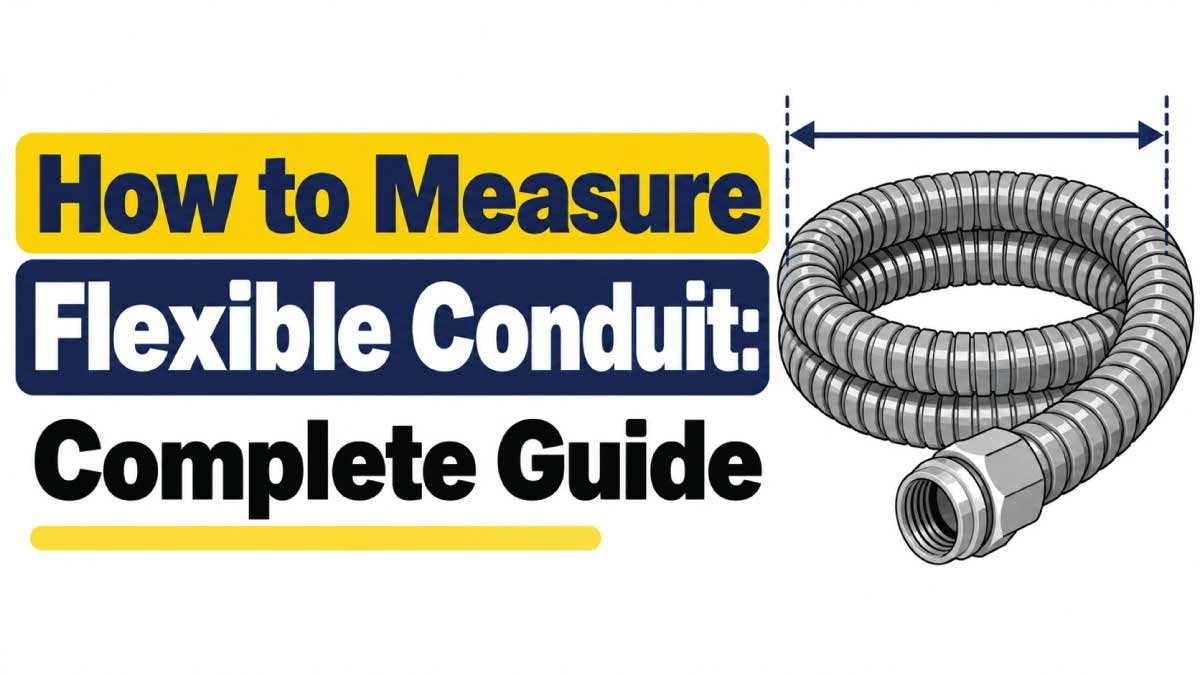
Learning how to measure flexible conduit is important when replacing an existing raceway, planning a new electrical installation, checking conduit capacity, or determining the correct fittings. Flexible conduit can bend around equipment and obstacles, but its flexibility also makes accurate measurement slightly different from measuring rigid straight conduit. The most important measurements include the conduit … Read more

How to Measure Conduit Bend: Angles, Length and Offset

How to Measure Conduit Bend

Measuring a conduit bend correctly helps produce clean runs, accurate offsets, and reliable connections between electrical boxes, panels, fittings, and equipment. A small error in angle, take-up, or bend location can make an entire conduit run difficult to install. Learning how to measure conduit bend involves more than checking the bend angle. You also need … Read more

How to Measure Liquid Tight Conduit: Complete Guide

How to Measure Liquid Tight Conduit

Liquid tight conduit is commonly used where electrical conductors need protection from moisture, oil, vibration, dirt, or other demanding conditions. Measuring it correctly involves more than checking the outside diameter. You need to identify the trade size, determine the required conduit length, account for fittings and bends, and make sure the interior provides enough space … Read more

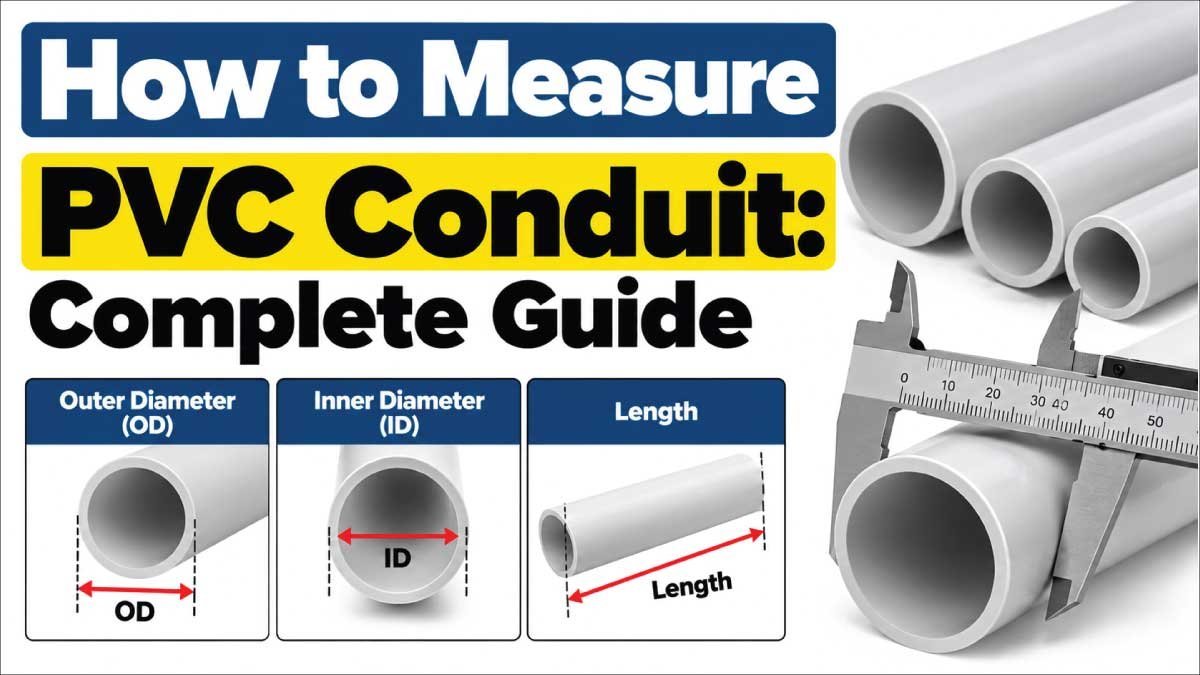
How to Measure PVC Conduit: Complete Guide

How to Measure PVC Conduit

PVC conduit is commonly used to protect electrical wires and cables from physical damage, moisture, chemicals, and environmental exposure. However, measuring PVC conduit correctly is important because the outside diameter, inside diameter, wall thickness, trade size, and length can all affect whether a conduit is suitable for an installation. If you are replacing an existing … Read more

How to Measure IMC Conduit: Step-by-Step Guide

How to Measure IMC Conduit

Intermediate Metal Conduit (IMC) is a rigid metal raceway used to protect electrical conductors in residential, commercial, industrial, and outdoor installations. Because IMC is made from steel and has a relatively thin wall compared with some other rigid metal conduit systems, accurate measurement is important when identifying an existing raceway or selecting a replacement. Knowing … Read more

How to Measure Conduit Fill: Complete Guide

How to Measure Conduit Fill

When several wires or cables run through the same raceway, the available interior space becomes an important sizing factor. Conduit fill describes how much of the conduit’s usable internal area is occupied by conductors. Measuring and calculating it correctly helps prevent overcrowding and makes conductor installation more manageable. To measure conduit fill, you need the … Read more

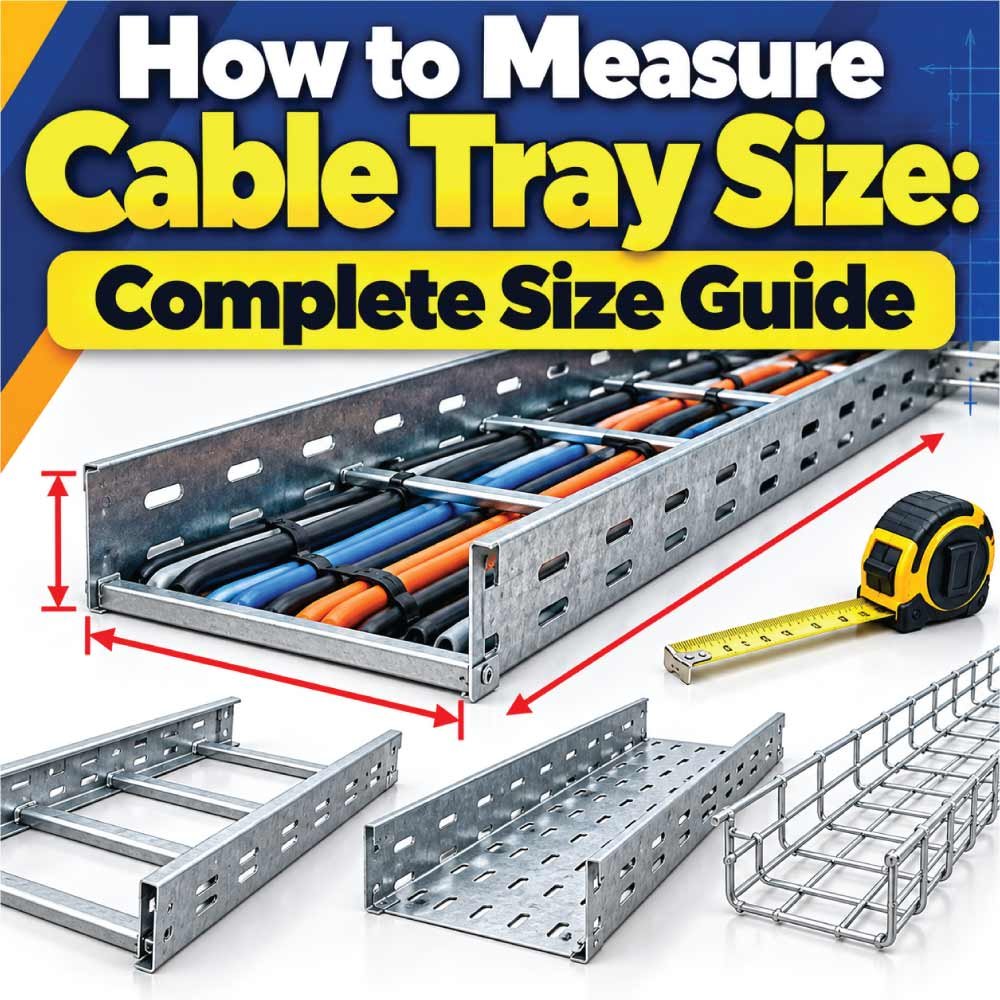
How to Measure Cable Tray Size: Complete Size Guide

How to Measure Cable Tray Size

Choosing the correct cable tray size starts with more than measuring the available space. You need to account for the number and diameter of cables, required cable spacing, usable tray area, tray width and depth, future expansion, and installation conditions. This guide explains how to measure cable tray size step by step, how to calculate … Read more

How to Measure EMT Conduit: Complete Guide

How to Measure EMT Conduit

EMT conduit, or Electrical Metallic Tubing, is commonly used to protect and route electrical conductors. Measuring it correctly is important when planning an installation, replacing an existing run, estimating material, or determining whether the conduit has enough room for the required wires. Learning how to measure EMT conduit involves more than measuring its outside diameter. … Read more

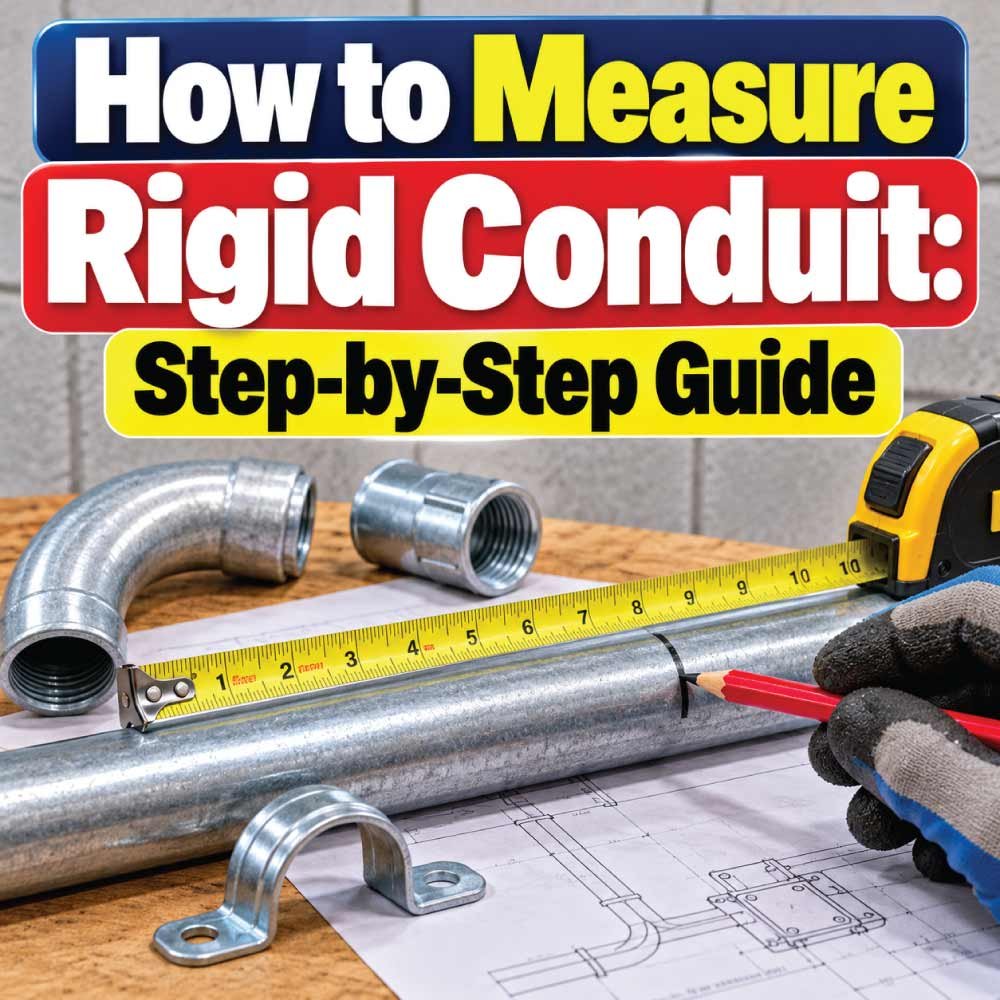
How to Measure Rigid Conduit: Step-by-Step Guide

How to Measure Rigid Conduit

Measuring rigid conduit correctly is important when planning an electrical installation, replacing an existing raceway, or determining whether enough space is available for conductors. Unlike ordinary pipe, rigid electrical conduit uses standardized trade sizes, so its labeled size does not necessarily equal its actual inside or outside diameter. To measure rigid conduit accurately, you need … Read more

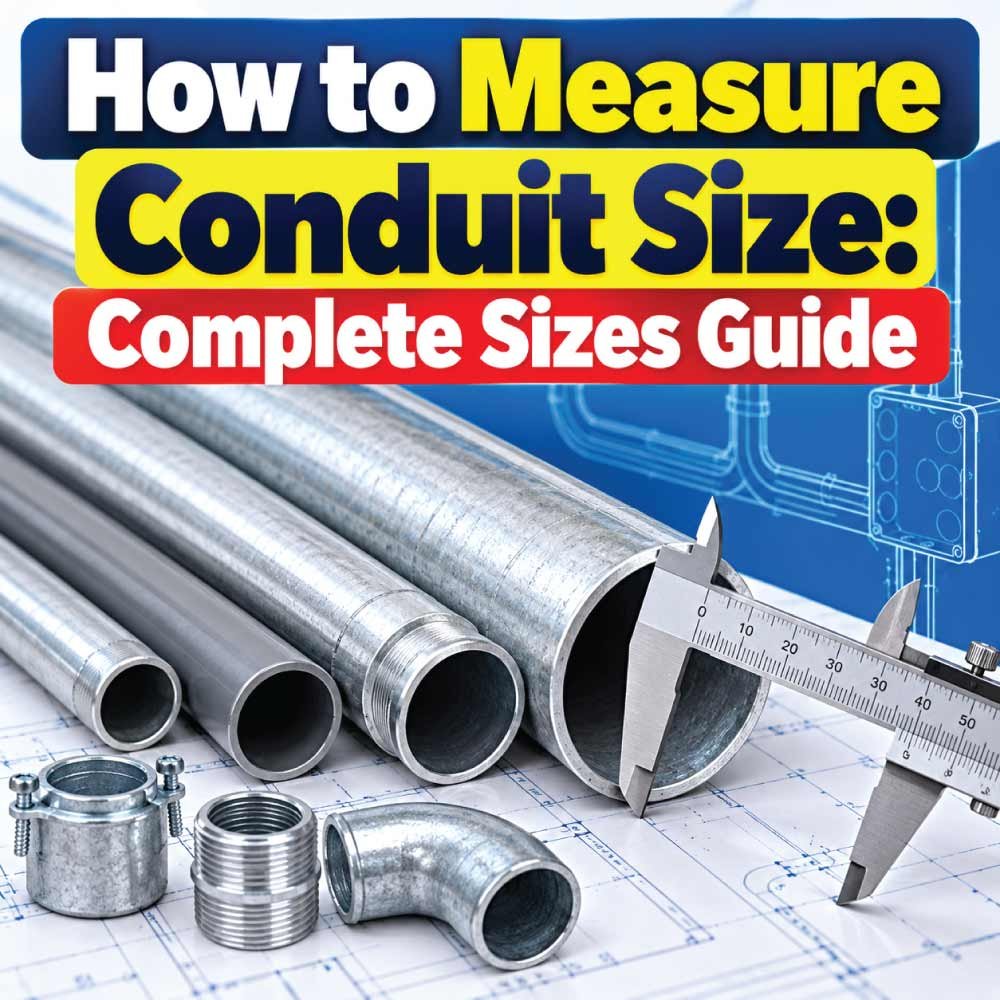
How to Measure Conduit Size: Complete Sizes Guide

How to Measure Conduit Size

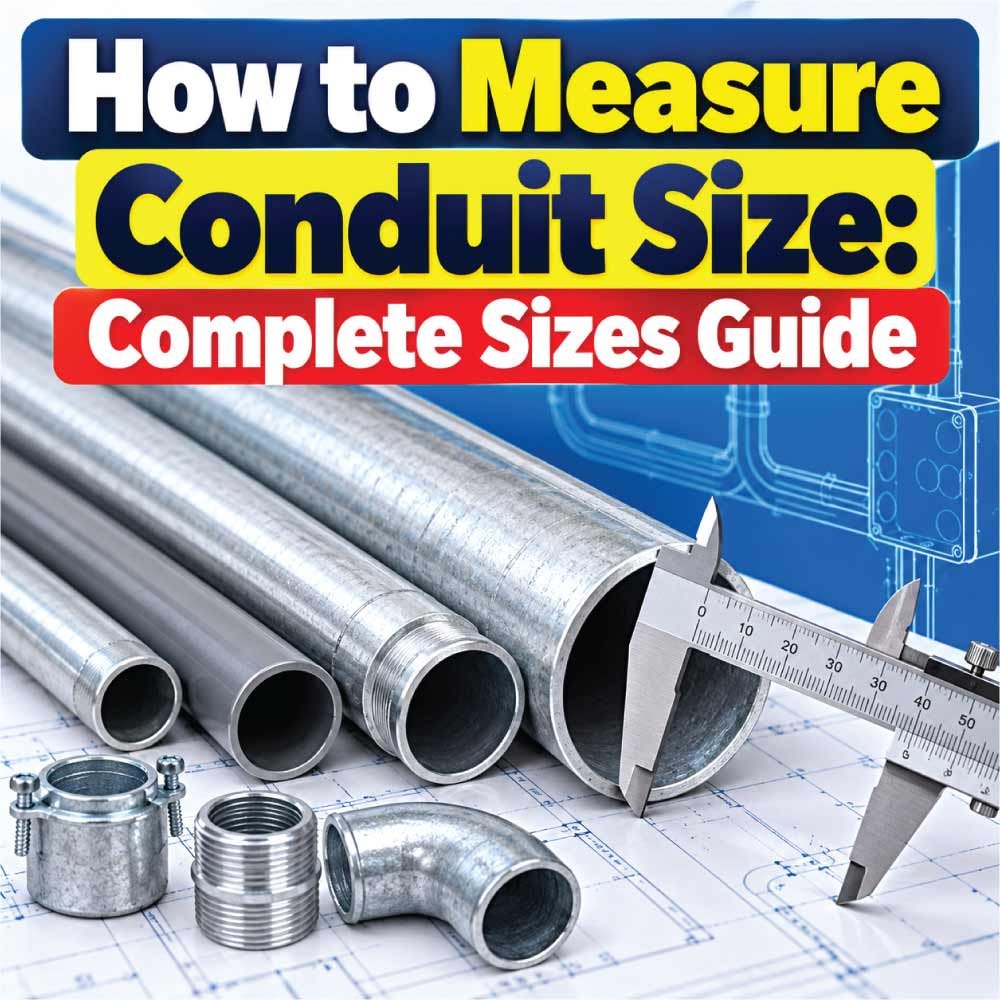
Choosing the correct conduit size is important for protecting electrical conductors, maintaining safe wire installation, and allowing enough room for pulling and future maintenance. Measuring conduit size involves more than checking its outside diameter. You need to consider the conduit’s trade size, inside diameter, number and size of conductors, conductor fill, bends, length, and installation … Read more