Electrical Enclosure Size Chart: Standard Dimensions Guide
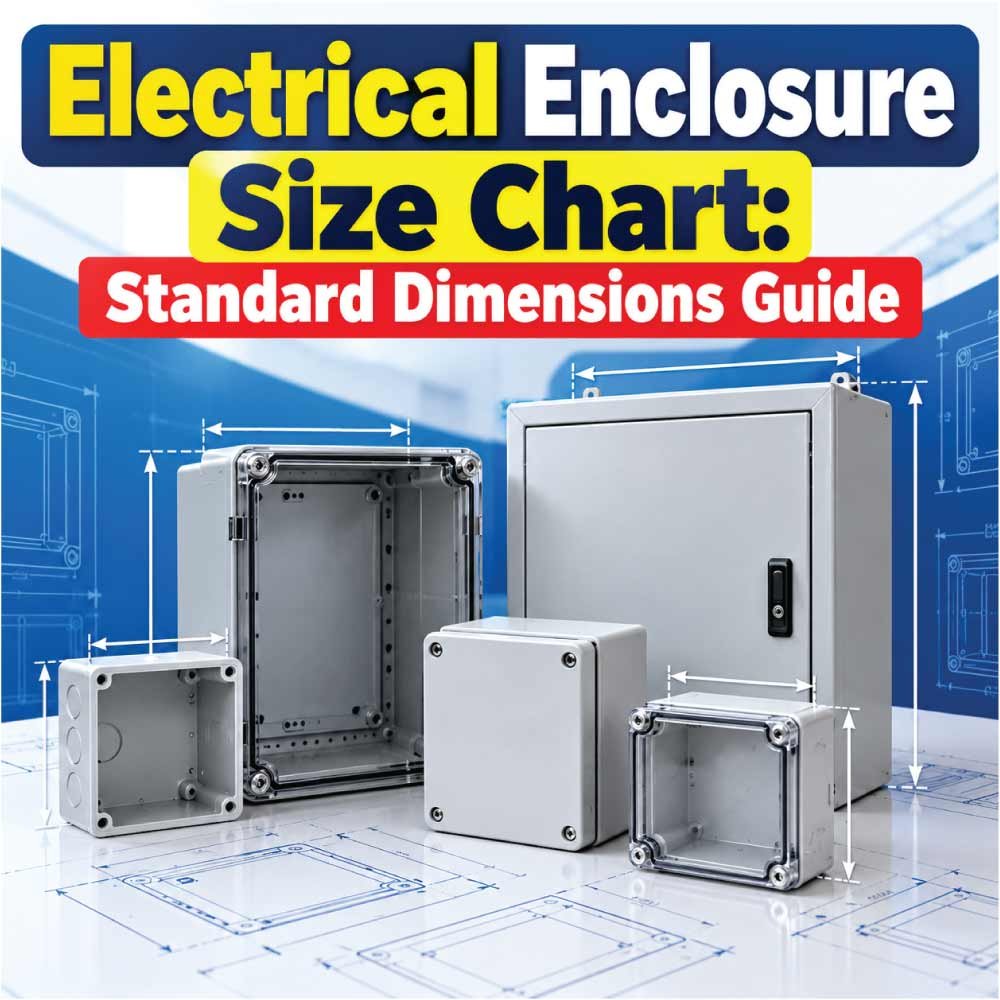
Electrical Enclosure Size Chart

Electrical enclosures protect electrical components from dust, moisture, accidental contact, impact, and other environmental conditions. Choosing the correct enclosure size is important because the cabinet must provide enough room for equipment, wiring, ventilation, cable entry, and future maintenance. This electrical enclosure size chart explains common enclosure dimensions, enclosure types, mounting considerations, internal space requirements, and … Read more
THHN Wire Size Chart: Complete Guide

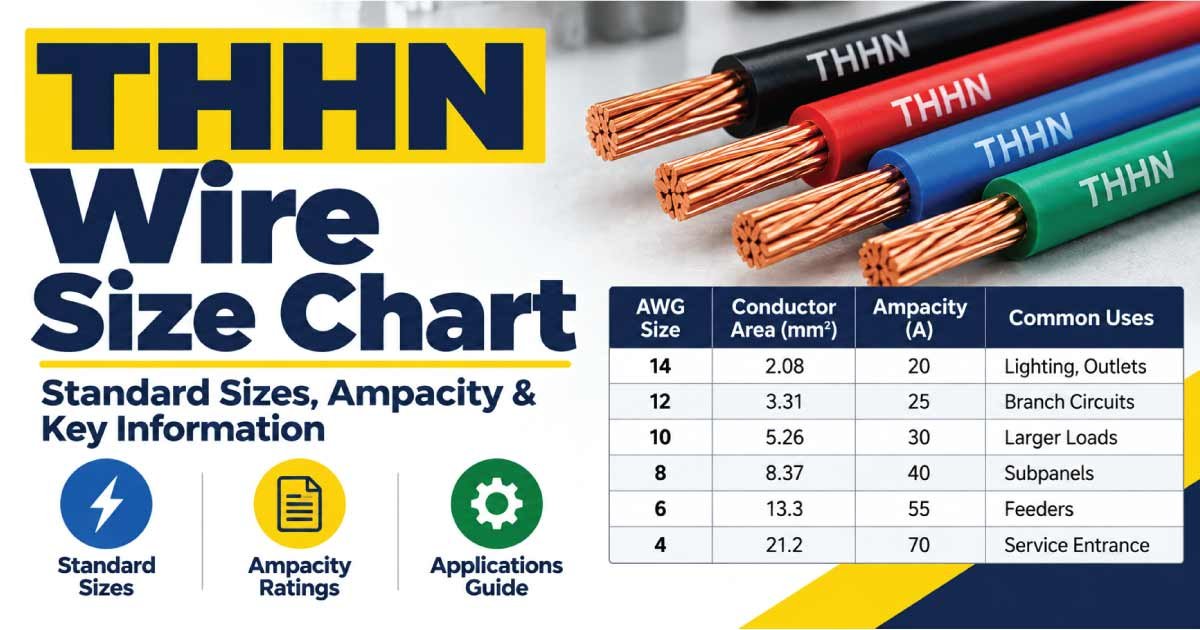
THHN Wire Size Chart

Choosing the correct wire size is essential for a safe and reliable electrical installation. A THHN wire size chart helps electricians, contractors, engineers, and DIY users compare American Wire Gauge (AWG) sizes with their allowable ampacity and typical applications. THHN wire is widely used inside conduit, raceways, and similar wiring systems for branch circuits, feeders, … Read more

How to Measure High Voltage Cable: A Complete Guide

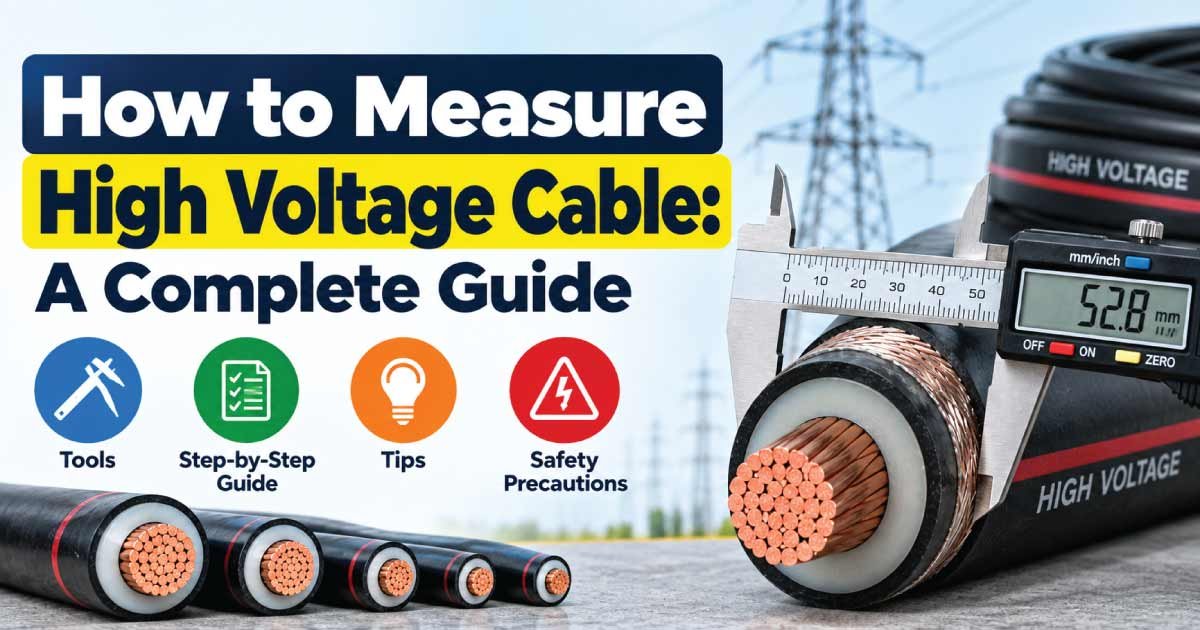
How to Measure High Voltage Cable

Measuring high voltage cable requires more than simply checking its length. Depending on the application, you may need to determine the cable length, overall diameter, conductor size, insulation thickness, voltage rating, construction, and installation requirements. Because high voltage systems can present severe electrical hazards, physical measurements should only be performed on properly isolated, de-energized, and … Read more

How to Measure Underground Cable Size: Easy Guide

How to Measure Underground Cable Size

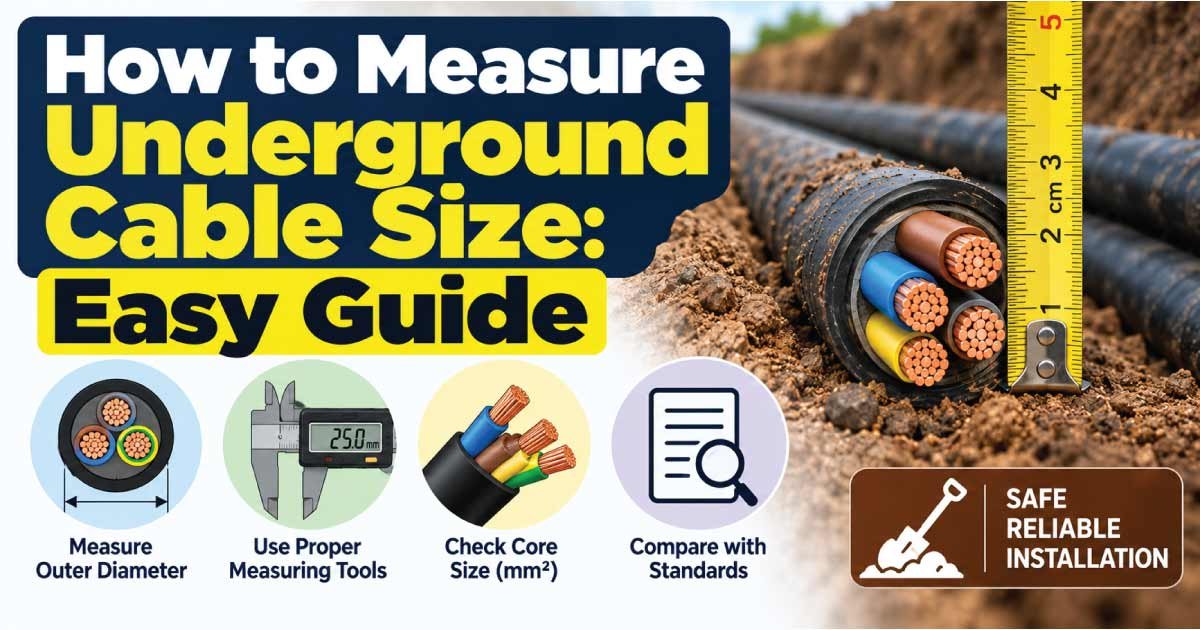
Measuring underground cable size correctly is essential for safe electrical distribution, reliable equipment operation, and acceptable voltage drop. Unlike a cable installed in open air, an underground cable operates within soil, ducts, conduits, trenches, or other enclosed conditions that can affect heat dissipation and current-carrying capacity. To measure underground cable size, you need to identify … Read more

How to Measure Instrument Cable: Complete Size Guide

How to Measure Instrument Cable

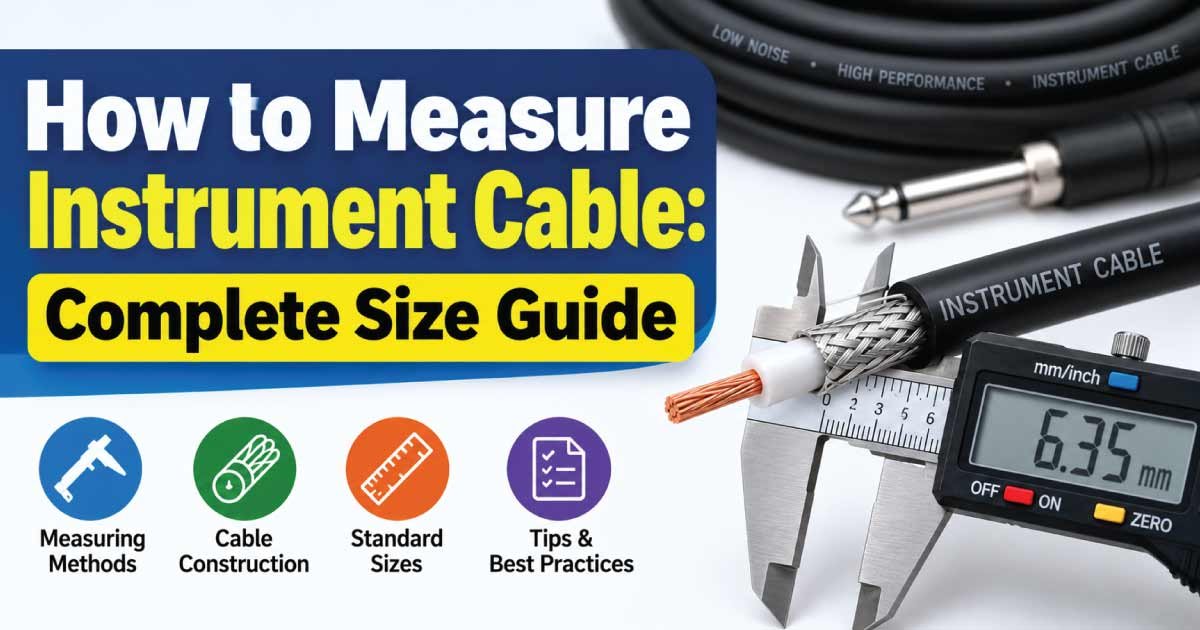
Measuring an instrument cable correctly is important when identifying an existing cable, selecting a replacement, checking installation requirements, or verifying whether a cable is suitable for a particular control or instrumentation system. Unlike ordinary electrical wire, instrument cable is designed to transmit low-level signals accurately while helping protect those signals from electrical interference. The term … Read more

How to Measure Control Cable: Easy Step-by-Step Guide

How to Measure Control Cable

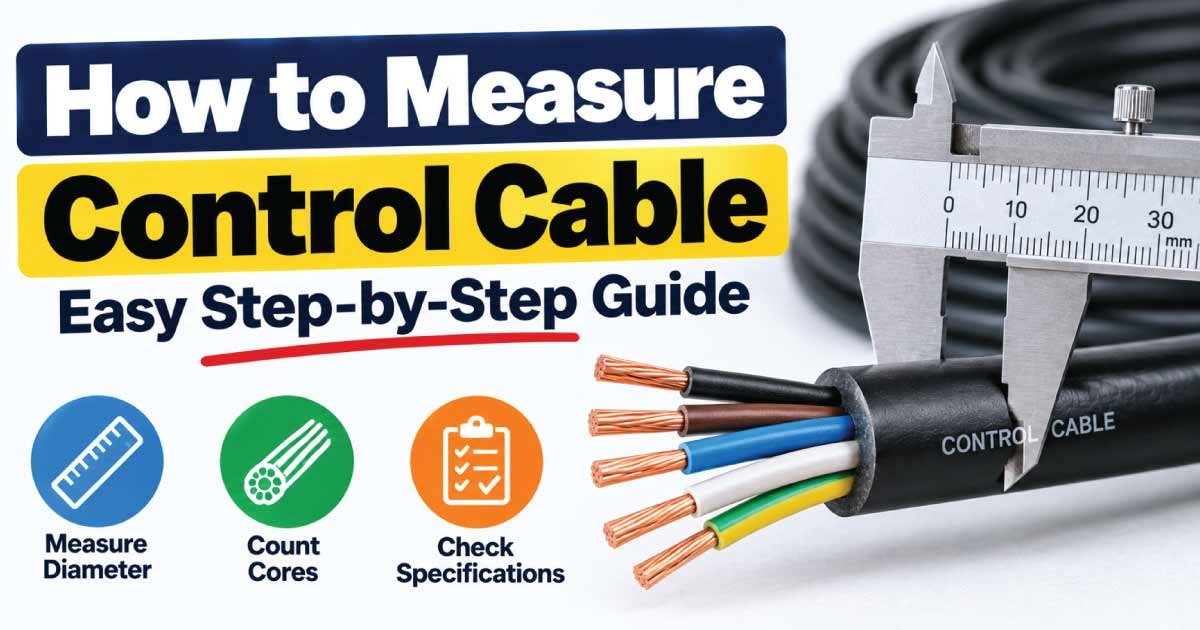
Knowing how to measure control cable size is important when replacing, extending, troubleshooting, or installing electrical control wiring. Control cables are used to transmit signals and control power between equipment such as motors, sensors, control panels, PLCs, switches, relays, actuators, and industrial machines. Unlike simply measuring the outside diameter of a cable, determining its actual … Read more

Electrical Standards Size Chart: Complete Guide

Electrical Standards Size Chart

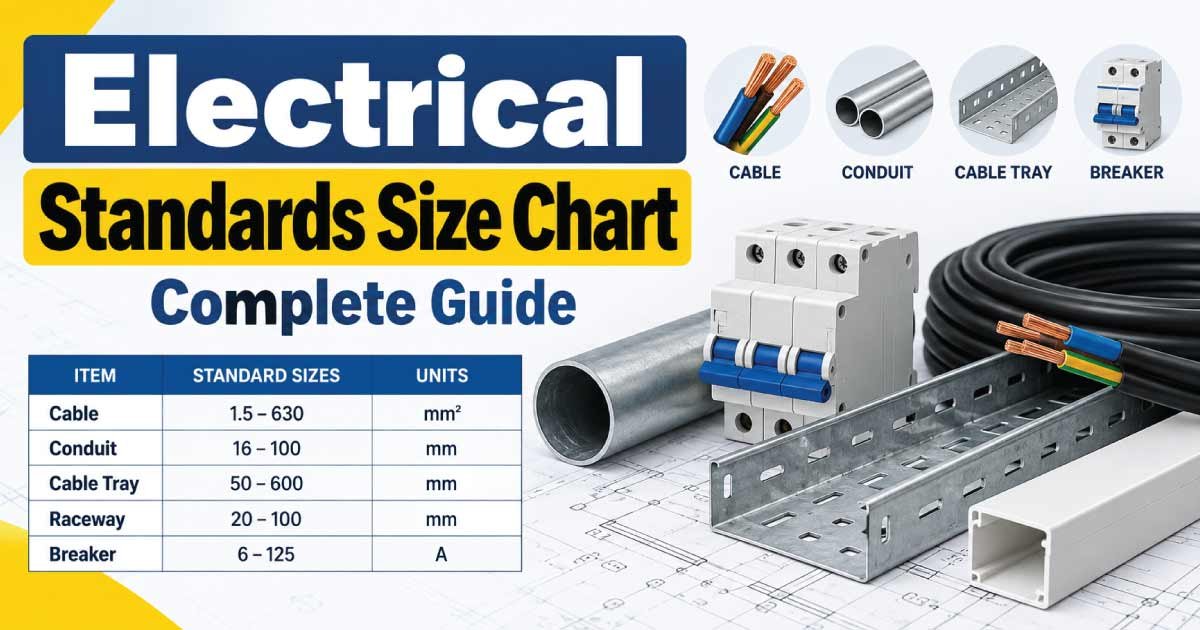
Electrical standards provide the rules and specifications used to design, install, test, operate, and maintain electrical systems. They help ensure that electrical equipment, wiring, protective devices, connectors, enclosures, and other components are suitable for their intended applications. An Electrical Standards Size Chart can help electricians, engineers, contractors, technicians, manufacturers, and students understand common electrical sizing … Read more

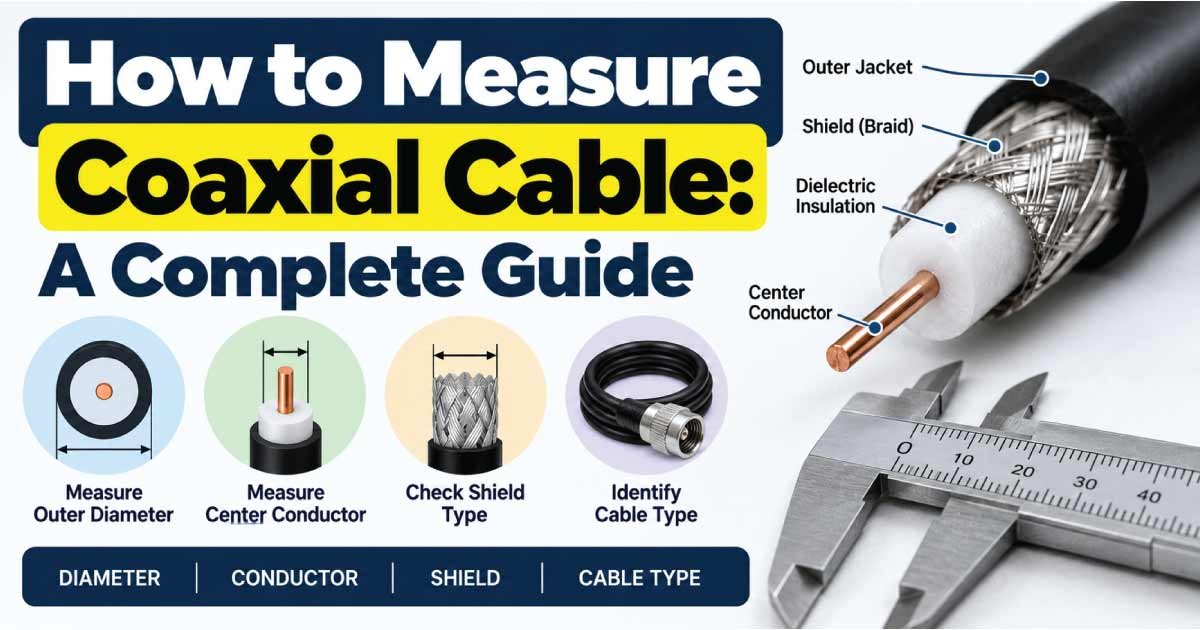
How to Measure Coaxial Cable: A Complete Guide

How to Measure Coaxial Cable

Learning how to measure coaxial cable correctly is useful when identifying an existing cable, selecting connectors, checking cable compatibility, or replacing a damaged section. Coaxial cables come in many sizes and constructions, and their outside diameter, conductor dimensions, connector type, and impedance can all affect compatibility. Unlike ordinary electrical wire, coaxial cable has several layers … Read more

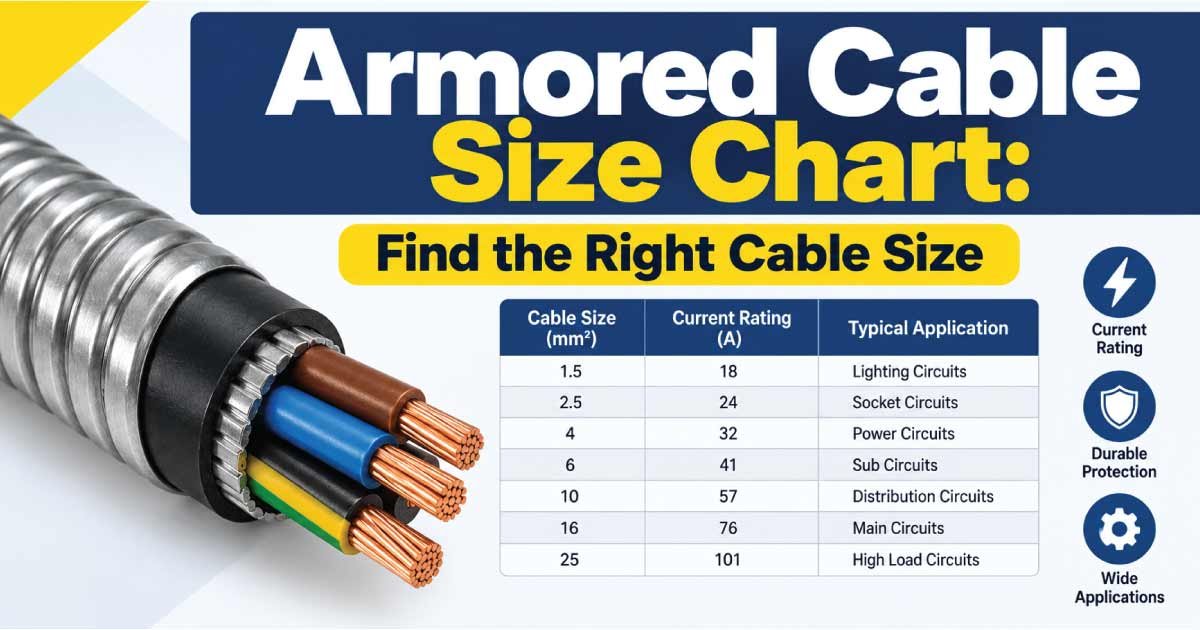
Armored Cable Size Chart: Find the Right Cable Size

Armored Cable Size Chart

An armored cable size chart helps you compare common cable conductor sizes and understand where different armored cables may be used. Armored cables are designed to provide electrical power while adding mechanical protection through a metallic armor layer. Common armored cable sizes range from 1.5 mm² to 630 mm², although the available sizes depend on … Read more

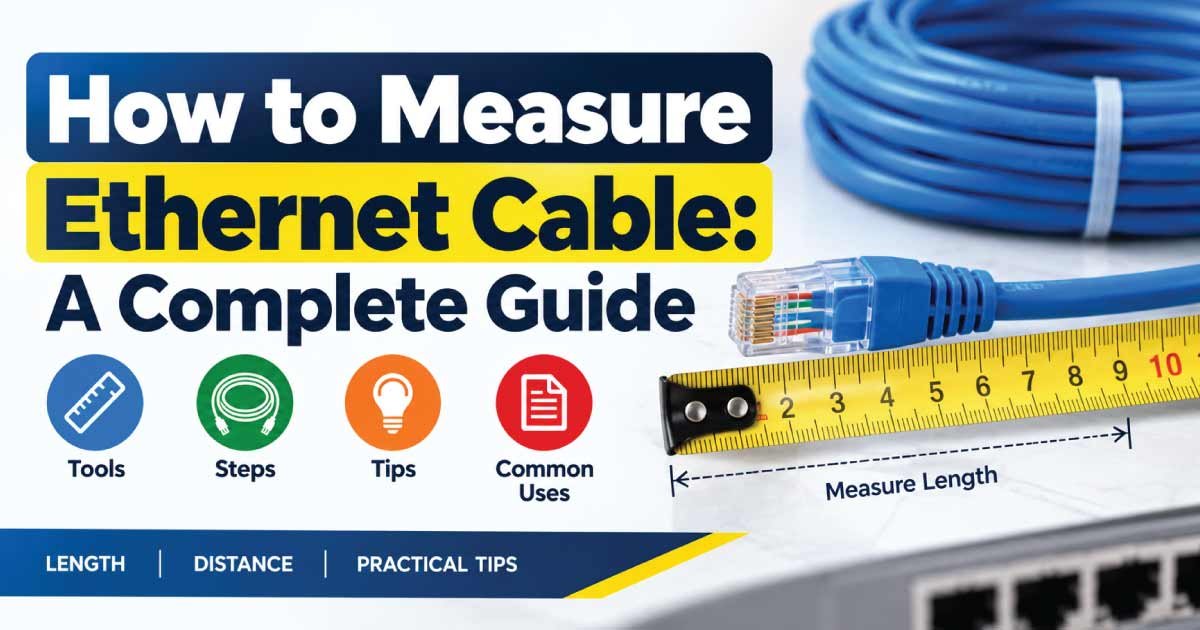
How to Measure Ethernet Cable: A Complete Guide

How to Measure Ethernet Cable

Measuring an Ethernet cable may sound simple, but the right method depends on what you need to know. You may want to measure Ethernet cable length, check the cable’s outside diameter, identify its category, inspect the wire arrangement, or determine whether an installed cable is suitable for a network. The good news is that most … Read more